
 Trang chủ
RED88 Breaks Down the Top Host City Stadium Infrastructures: Who Benefits and Who Should Look Elsewhere
If you have ever booked a venue for a major event or planned a trip around a high-profile match, you have likely run into the same problem: glossy brochures and official websites make every stadium look flawless. The reality on the ground often tells a different story. Access roads clogged hours before kick‑off, outdated sound systems that swallow the atmosphere, or concourses that turn a sold‑out game into a claustrophobic nightmare. The gap between expectation and experience is not just annoying — it can break your budget, your schedule, or your reputation.
That is why a realistic, no‑hype look at host city stadium infrastructure matters. RED88 has spent years watching how these venues perform under real pressure — not just during the opening ceremony, but during the third week of a tournament, during a concert that attracts a different crowd, or on a rainy Tuesday when maintenance crews are off shift. This article breaks down the key factors that separate a genuinely world‑class facility from a building that photographs well but delivers poorly. More importantly, it answers the question that most reviews ignore: who is this stadium actually good for, and who should walk away.
The Real Challenge for Event Organizers and Travelers
Most people assume that if a stadium hosted a World Cup or an Olympics, it must be top‑tier across the board. The truth is messier. A venue can have spectacular sightlines but terrible Wi‑Fi. It can offer 80 000 seats yet have only one metro line serving the entire precinct. Legacy stadiums often carry decades of patchwork upgrades that work well for their primary tenant but become headaches for one‑off events. Meanwhile, newer stadiums may have gleaming facades but lack the power redundancy or loading docks needed for a large‑scale production.
The problem is not a lack of information — it is the type of information. Most rankings focus on architectural awards or seat count. What gets left out is everyday usability: how long does it take to clear security, where do deliveries come in, what happens when the local transit system breaks down. Without that context, a decision maker can easily pick a venue that looks perfect on paper but fails in practice.
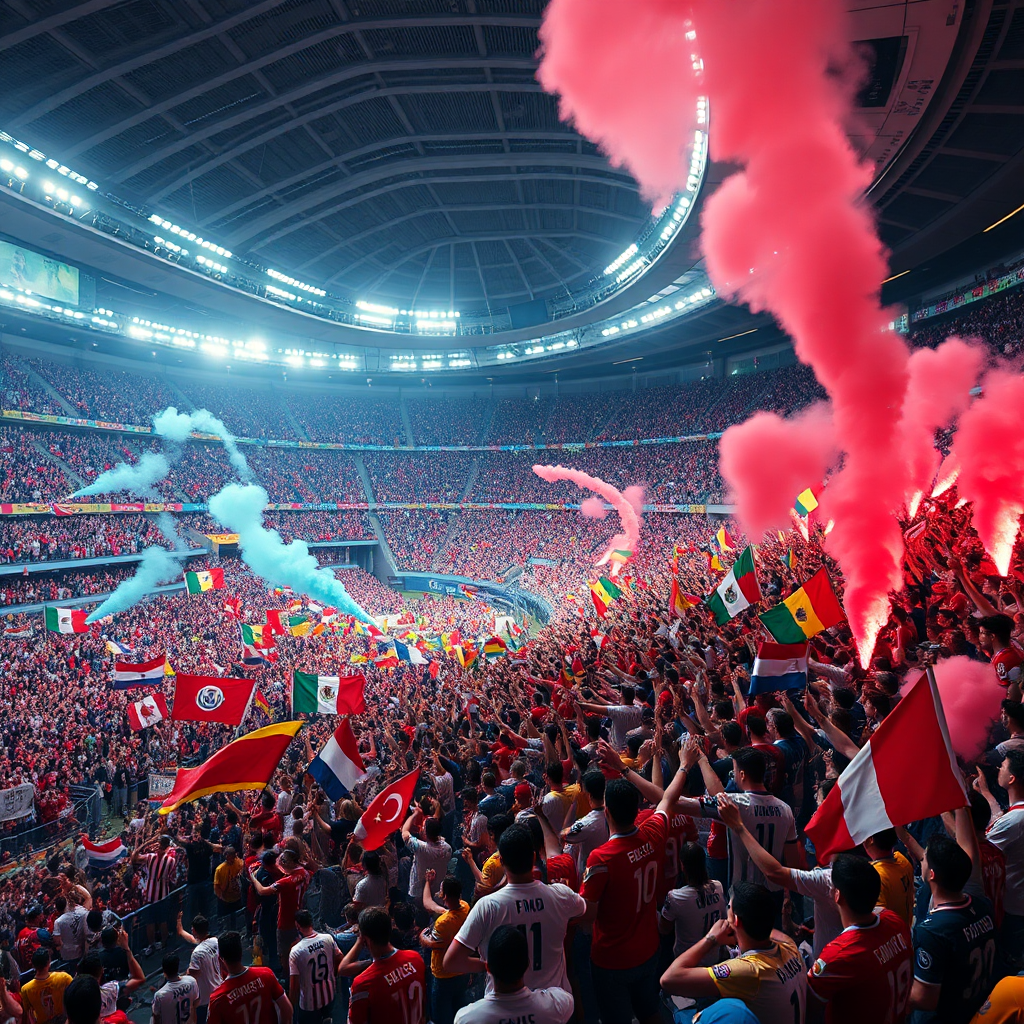
 Hình minh hoạ: red88m1.us.com
Evaluation Criteria for Stadium Infrastructure
To cut through the marketing, RED88 uses a set of criteria that emphasise real‑world functionality over flashy stats. The following table summarises the main factors we consider when assessing any host city stadium. Use it as a starting point — every event has its own priorities.
| Criteria | What It Looks At | Why It Matters |
|---|---|---|
| Multimodal Access | Metro, bus, ride‑share drop‑offs, pedestrian routes, parking capacity | Crowd flow affects safety and spectator satisfaction; single‑mode reliance creates choke points |
| Operational Versatility | Convertible seating, pitch protection, load‑in points, backstage space | Determines whether the venue can host sports, concerts, and exhibitions without major rework |
| Infrastructure Resilience | Backup power, water supply, connectivity redundancy, climate control | Prevents event disruption from weather, grid failures, or telecom overload |
| Spectator Experience | Sightlines, acoustics, concourse width, food & beverage flow, restroom ratios | Directly influences repeat attendance and word‑of‑mouth reputation |
| Post‑Event Legacy | Maintenance plan, community use, cost of upkeep | A cheap rental today can become a financial sinkhole if the city does not support long‑term use |
Detailed Analysis of Key Criteria
Multimodal Access – The Traffic Test
Stadiums that shine during televised events often rely on a single public‑transit spine. When that spine fails — a strike, a breakdown, a sudden thunderstorm — the entire operation stalls. The best hosts have at least two independent ways in and out: a metro line plus a dedicated bus lane, or a train station plus a large pedestrian bridge. Rideshare zones also matter. Many older venues place ride‑share pick‑ups in far‑flung parking lots, forcing guests to walk 20 minutes after the event. That kills the mood and creates security bottlenecks. Look for venues that have integrated ride‑share directly into the main circulation plan.
Operational Versatility – One Venue, Many Uses
A stadium that is built purely for football or American football can be a nightmare for concerts. The pitch protection system may not handle heavy staging, or the load‑in route may force set pieces through narrow tunnels. Multi‑purpose venues invest in removable seating, reinforced floors, and multiple loading docks. They also think about acoustics — a concrete bowl that echoes for a rock band will disappoint. The best examples have adjustable acoustic curtains or speaker clusters designed for quick reconfiguration. If you are planning a series of diverse events, versatility is not a luxury; it is a requirement.
Infrastructure Resilience – What Happens When Things Go Wrong
Most event planners focus on the main power supply and forget about backup. A generator that kicks in after 30 seconds may be too late for live broadcast. Data connectivity is another overlooked item. In 2025, a stadium that cannot handle simultaneous 5G and Wi‑Fi traffic from 60 000 devices will generate complaints from fans and sponsors. Climate resilience is becoming critical too — venues in hot climates need shaded concourses and cooling systems that work even when the grid is strained. Check whether the stadium has independent water storage for sanitation and pitch irrigation, not just city supply.
Spectator Experience – The Difference Between a Good Time and a Great One
Capacity figures are misleading. A 50 000‑seat stadium with narrow concourses feels worse than a 40 000‑seat venue with generous walkways. Restroom ratios are a classic pain point: many older stadiums have 1 toilet per 200 women, leading to long queues. Technology has improved concessions — mobile ordering and cashless payments reduce wait times — but only if the venue’s network can handle the transaction volume. Sightline quality varies too. Temporary additions (like VIP boxes in lower tiers) can block views for thousands. Ask for the “obstructed view” count before signing.

Strengths and Limitations Across Different Stadium Types
Who Suits a Large‑Scale Multi‑Purpose Stadium
If you are organizing a tournament, a major touring concert, or a multi‑day festival, you need a venue that can handle massive logistics and diverse crowds. The best candidates have proven track records with quick changeovers — for example, converting from a football match to a concert within 48 hours. They also have strong partnerships with local transit authorities, so they can run extra trains or buses on demand. Suitable hosts are usually cities that have hosted multiple mega‑events, because they have ironed out the kinks in their operations.
Who Should Be Cautious with Legacy Stadiums
Historic venues have charm and location, but they often come with hidden constraints. Narrow corridors, limited power capacity, and no room for modern broadcast infrastructure can force expensive workarounds. If your event relies heavily on live streaming, elaborate stage sets, or massive catering operations, a legacy venue may require more retrofit money than you expect. Also consider the surrounding neighborhood — a stadium built in a residential area 50 years ago may have no noise ordinances, but today the residents are less tolerant. RED88 has seen several events cancelled mid‑plan because local noise complaints escalated.
Who Should Avoid Overly Specialised Venues
Some stadiums are designed for a single sport and little else. For instance, a baseball‑first venue may have an awkward outfield configuration for concerts, or a velodrome track stadium may limit floor space. If your event needs a flat floor of a certain size, a specialised venue can become a straightjacket. Always request a detailed floor plan with exact dimensions and column locations. Also check access for heavy vehicles; a venue built for runners and cyclists may not have truck‑sized loading bays.

Practical Checklist Before Choosing a Host City Stadium
- Visit during an actual event — not a tour. Attend a busy match or concert to see crowd flow, security lines, and restroom queues firsthand.
- Request a load‑in / load‑out plan — including delivery windows, ramp gradients, and elevator capacities.
- Check backup systems — ask about generator test logs and recent network stress tests. Do not rely on verbal assurances.
- Review past incident reports — traffic jams, power outages, and crowd crushes are often documented in local news. A quick search can reveal patterns.
- Talk to local promoters — not the stadium sales team. Independent operators who have used the venue will give you the real picture.
- Understand the contractual penalties — what happens if the stadium fails to provide promised services (e.g., cooling fails, Wi‑Fi cuts out)? Ensure clawback clauses are clear.
Frequently Asked Questions
Which type of stadium infrastructure is most often overrated?
Seat capacity. Many venues boast high numbers, but if the surrounding transport network cannot handle that many people, you will end up with empty seats and frustrated ticket holders. Always match capacity to real arrival and departure rates.
How important is on‑site parking for a modern stadium?
Less important than good public transit, but still relevant for VIPs, crews, and accessible parking. The trend is toward park‑and‑ride schemes located a few kilometres away, which reduce local congestion.
Should I choose a stadium with retractable roofs for all events?
Only if your event is rain‑sensitive, such as an open‑air concert or a tennis final. Retractable roofs add huge maintenance costs and can fail mechanically. For many indoor events, a fixed roof with reliable climate control is more cost‑effective.
How do I know if a stadium’s technology is up to date?
Ask for the last major upgrade date and what was included. Look for evidence of Distributed Antenna Systems (DAS) and neutral‑host cellular networks. A stadium that cannot handle carrier aggregation will leave half the audience with no signal.
What is the biggest risk when booking a lesser‑known host city stadium?
Underestimating local infrastructure outside the venue — roads, hotels, and food supply. A stadium can be perfect inside, but if the nearest hotel is an hour away and restaurants close early, the overall experience suffers. Do not evaluate the venue in isolation.
Risks to Remember Before Committing
No matter how thorough your analysis, every stadium comes with trade‑offs. The gleaming new facility may have a monopoly on local services, leading to inflated rental and catering charges. The historic venue may charm your VIPs but frustrate your technical crew. The multi‑purpose stadium may be a jack of all trades and master of none — good enough for many events but not exceptional for any.
One risk that is easy to overlook is the relationship between the stadium operator and the host city. If the city is financially strained, maintenance budgets can be cut, and infrastructure that looked fine during a pre‑event inspection may degrade quickly. Always include a clause for re‑inspection within 30 days of your event. Another risk is over‑reliance on one transport mode — even venues with excellent metro links can become islands if that system goes down. Build redundancy into your own transportation plan, such as shuttle buses or staggered entry times.
Finally, remember that reviews and rankings, including the breakdown you have just read, are only as good as the data behind them. Use this article as a framework, not a final verdict. For a more detailed breakdown of how stadium infrastructure affects event planning, regular readers of red88m1.us.com know that every host city has its own hidden strengths and weaknesses. The key is to match those traits to your specific needs — and to walk away when the fit is not right, no matter how impressive the building looks on Instagram.